

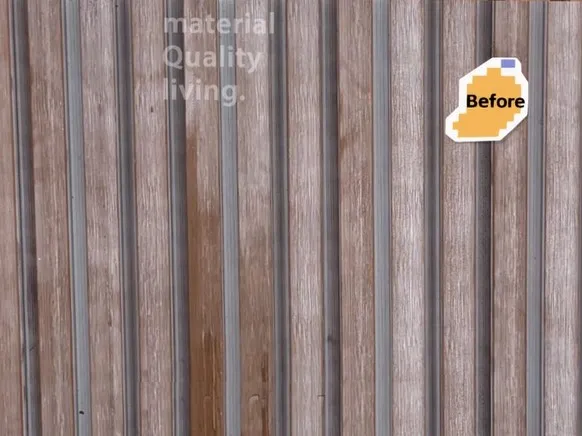
Why does my composite siding always look dirty?
Have you ever wondered, "Why does my composite deck always look dirty?" Even though composite siding claims to be low maintenance and long-lasting, it still requires some maintenance for a variety of reasons. From environmental factors such as dust and pollen to rain carrying bits of outdoor debris, many "culprits" can cause your siding to look dirty. Keeping your outdoor environment clean starts with understanding these factors.
Common causes of dirt and stains
In this article, we will explore the common sources of dirt and stains on WPC siding, including the effects of weather and the impact of air pollutants. We will also introduce effective cleaning methods and preventive measures to ensure that your siding looks its best.
Common causes of dirt and stains on composite decks
Environmental factors
Ecological issues are one of the main reasons why your outdoor siding always looks dirty. Composite outdoor siding is exposed to the outdoor environment, including air pollutants such as dust and pollen, and some fine dust carried by rain, which can drift around with the wind and slowly adhere to the wall surface, forming a layer of dirt.
One of the main reasons outdoor siding gets dirty is due to grease and other substances that stick directly to the surface of the siding when people, pets or insects come into close contact with the siding during outdoor activities. This is especially true in high-traffic areas such as entrances and exits.
Mold and mildew
Outdoor siding can also harbor mold and mildew, especially in areas that are shaded or damp year-round. These fungi that grow in moist environments can cause your siding to turn black or green and produce an unpleasant odor. Mold and mildew are not only an appearance issue, but they can also be a health hazard.
While these elements are usually invisible to the naked eye, they can build up over time, creating a visible layer of dirt.
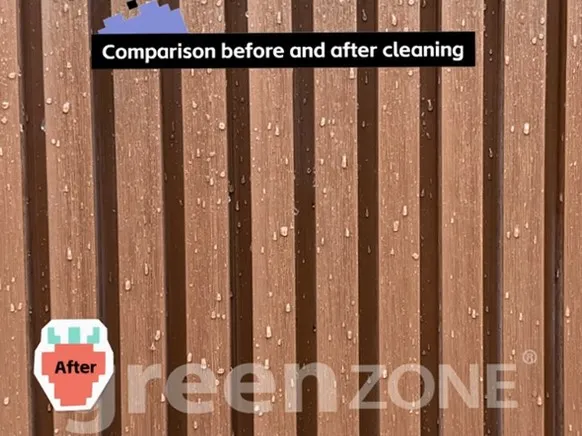
Here are some cleaning guidelines for outdoor siding:
Basic tools:
soft brush, sponge or soft cloth, bucket.
Cleaning agent:
neutral detergent (such as dishwashing liquid), warm water; stubborn stains can be prepared with baking soda or white vinegar.
Protective equipment:
rubber gloves.
Auxiliary tools:
water pipe for rinsing, dry towel for drying.
Soft brush or towel gently sweep the surface of the wall panel to remove loose stains such as dust and spider webs.
Mix cleaning solution
Add warm water and a small amount of neutral detergent to the bucket and stir lightly.
Dip the soft brush in the cleaning solution and gently wipe the wall panel, focusing on the stained area; stubborn stains can be locally applied with baking soda water or diluted white vinegar (1:3), let it stand for 2 minutes and then brush gently.
Rinse residue
Rinse the wall panel with clean water to avoid detergent residue. If it cannot be rinsed, wipe it repeatedly with a wet cloth until there is no foam.
Wipe dry to prevent moisture
Use a dry towel to absorb moisture immediately, keep the wallboard dry and prevent mildew.
Notes:
Daily maintenance:
Remove surface dust regularly and deep clean once a quarter.
Grease stains, paint, etc. should be treated with a damp cloth + detergent in time; mildew stains can be wiped lightly with diluted bleach (1:10) and then wiped thoroughly.
Follow these steps to efficiently clean the wood-plastic wallboard and maintain its beauty and durability.